
Mican Trade Desk
July 28, 2026
Customs
Clearing Mining Cargo Without the Usual Delays
Mining supply chains in West Africa live or die at the border. A crusher liner, a pump, or a container of process chemicals is only useful once it is legally in country, duty-assessed, and released to a truck that can actually move it inland.
Mican’s customs team works the full file: commercial invoices, packing lists, certificates of origin, licences, and the classifications that keep inspections predictable. We do not treat clearance as a last-minute errand attached to freight. It is planned with the booking.
Clients who already run regional programmes tell us the difference is not magic software. It is local knowledge of what examiners look for, which documents stall a file, and when to escalate before demurrage starts to compound.
The cheapest freight quote is expensive if the consignment sits uncleared for a week.
Ramsey B., Logistics Manager
Where consignments typically stall
Most delays are preventable. Incomplete HS descriptions, mismatched weights, missing permits for controlled chemicals, and last-minute changes to consignee details are the usual culprits. We audit the file before the vessel or aircraft arrives so the first presentation is the clean one.


Our clearance checklist
- Pre-arrival document review against Ghana and ECOWAS requirements
- Correct tariff treatment for mining plant, parts, and reagents
- Coordination with inspection, scanning, and release windows
- Handover to haulage with gate passes and delivery instructions already in place
One partner from berth to mine gate
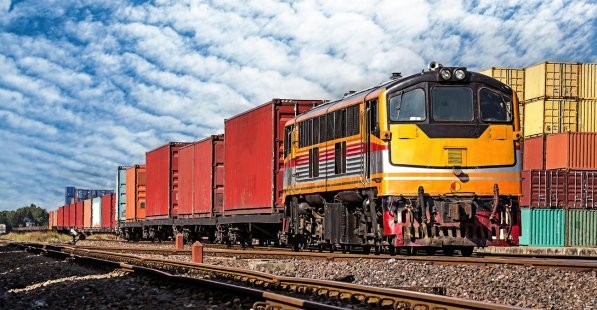
Clearance without a truck is only half the job. Once released, cargo moves into our haulage and warehousing network so stores teams are not chasing three vendors for one arrival. That is the model we have refined since 2009 — indigenous execution with the discipline international operators expect.